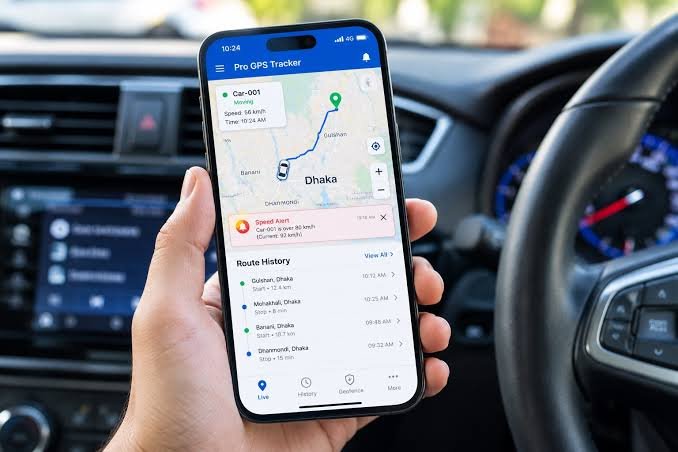
There’s something reassuring about being able to see exactly where your vehicle is, particularly when someone else is responsible for transporting it. Whether you’re managing a fleet of delivery vans, shipping a car across the country, or keeping track of a family vehicle, tracking technology can make the process considerably easier.
However, not every vehicle tracking app offers the same features. Some provide little more than a location on a map, while others include detailed journey histories, automated alerts, and maintenance reminders.
So, what should you look for before deciding whether an app is worth using?
Accurate Location Updates
The most important feature of any vehicle tracking app is reliable location information. After all, there’s little point in investing in tracking technology if the information is consistently outdated.
GPS-enabled tracking systems can provide regular location updates, allowing users to monitor a vehicle’s progress without repeatedly contacting the driver. This can be particularly useful when coordinating deliveries or transporting a vehicle over long distances. Someone comparing car transporters in Columbus might also want to establish how their chosen provider communicates delivery progress and whether live tracking is available.
Not every transportation company offers GPS tracking, so it’s worth asking before booking.
Notifications That Actually Matter
Nobody wants their phone buzzing every few minutes with unnecessary information. A useful tracking app should allow you to choose which notifications you receive.
Depending on the system, these might include alerts when a vehicle:
- Arrives at or leaves a designated location.
- Travels outside an agreed geographical area.
- Exceeds a specified speed limit.
- Experiences an unexpected interruption to its journey.
These features can be particularly valuable for businesses managing multiple drivers, although alerts should be configured carefully to avoid overwhelming users.
An Interface That’s Easy to Understand
Even the most advanced technology becomes frustrating when it’s difficult to navigate. A good tracking app should make essential information accessible without forcing users through complicated menus or unnecessary settings.
Clear maps, readable journey histories, and straightforward navigation can make a significant difference, especially for people who aren’t particularly confident using technology.
Compatibility matters too. Before committing to a service, check whether the app works reliably with your smartphone and whether it requires additional tracking hardware.
Privacy and Data Security
Vehicle tracking involves collecting sensitive location information, making privacy an important consideration. Users should understand what information the app collects, how long it’s stored, and who can access it.
For businesses, it’s equally important to establish appropriate tracking policies and explain how employee location information will be used. Look for providers that offer secure account access, clear privacy policies, and options for managing data permissions.
Features That Justify the Cost
Some vehicle tracking apps are free, while others require monthly subscriptions or additional equipment.
The right choice depends on what you actually need. A private vehicle owner might only require occasional location updates, whereas a delivery business could benefit from route histories, driver reports, and maintenance alerts.
Rather than choosing the app with the longest feature list, consider which functions will genuinely save time or improve vehicle management.
Choosing Technology That Makes Life Easier
A worthwhile vehicle tracking app should provide useful information without creating unnecessary complications. Reliable updates, sensible notifications, strong privacy controls, and an intuitive interface are all worth prioritizing. Whether you’re monitoring one vehicle or managing an entire fleet, the best technology is the kind that makes everyday decisions simpler.